Tenant Isolation: Why Your Accounting Data Deserves Its Own Database
The problem with shared databases
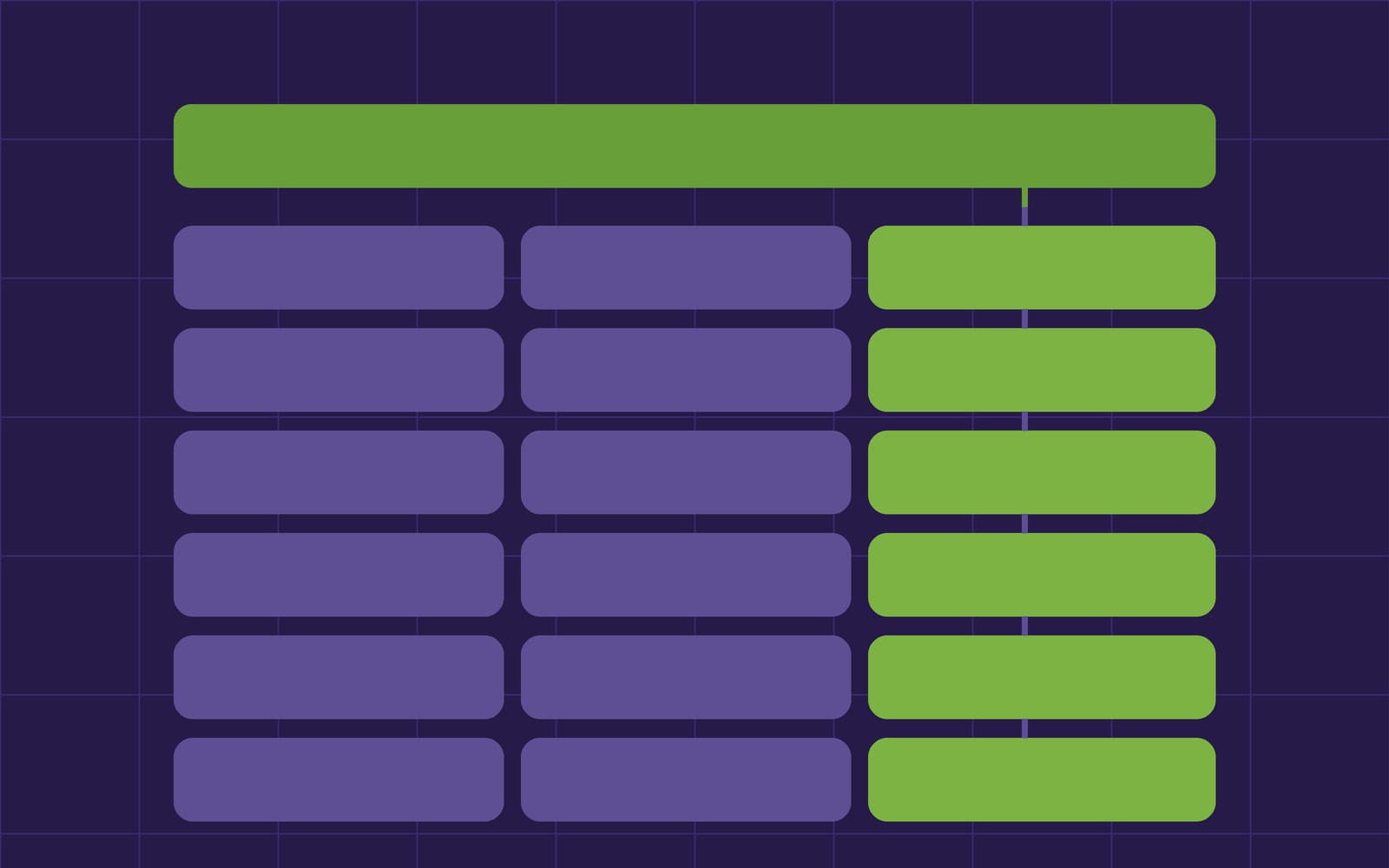
Most SaaS platforms store every customer's data in the same database, separated by a tenant_id column. It's cheaper to operate. It's also one WHERE clause away from a data leak.
Row-level security bugs, ORM misconfigurations, admin panel accidents — the history of SaaS breaches is full of cases where one customer saw another's data because the application layer failed to filter correctly.
How CashSheet isolates tenants
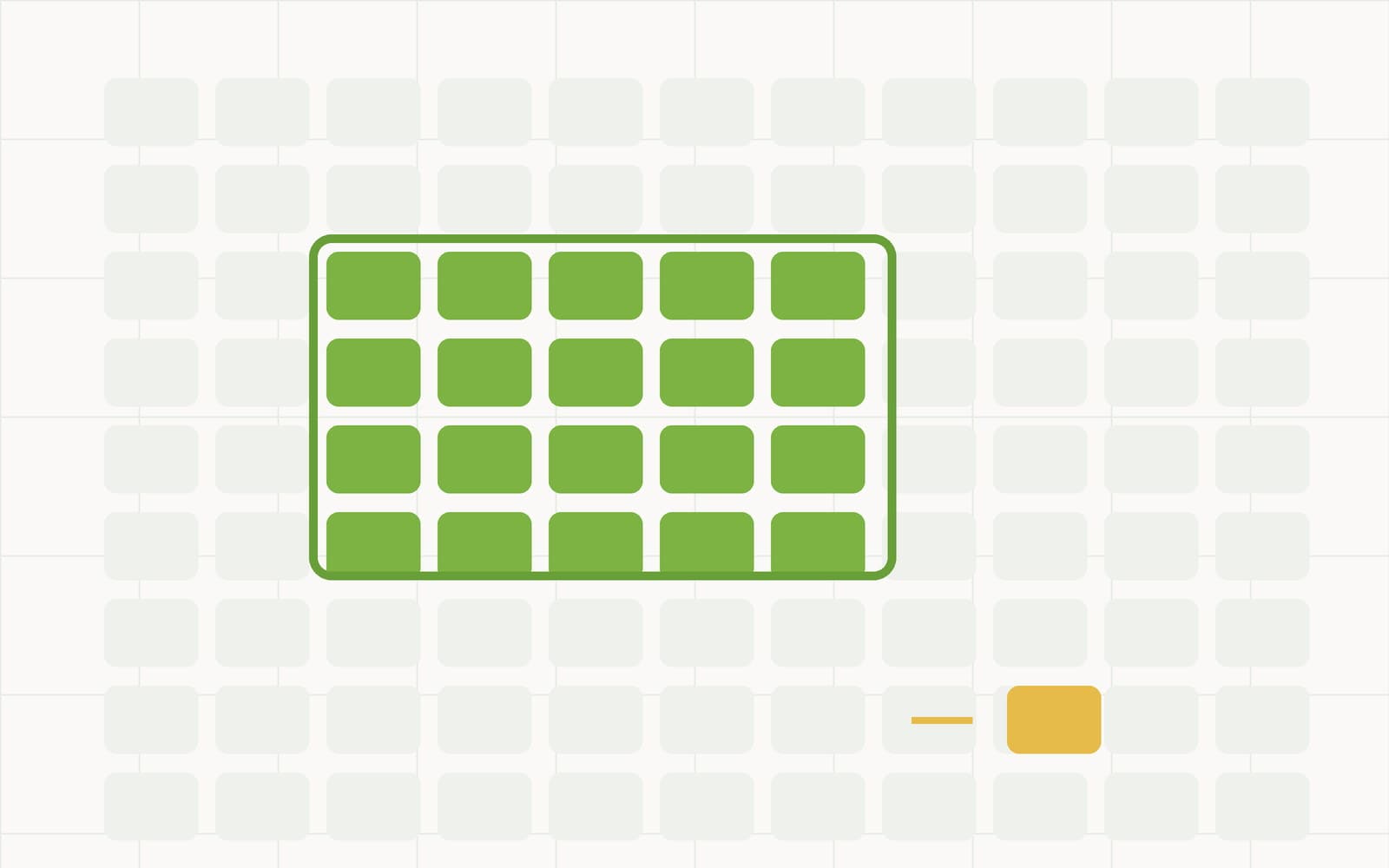
Every CashSheet customer gets their own dedicated Postgres database, their own application containers, and their own subdomain. The isolation boundary is at the infrastructure layer, not the application layer.
Even if there were a bug in the application code that forgot a tenant filter — which we guard against — it physically cannot return another customer's rows because they don't exist in the same database.
What this means for you
Your financial data — journal entries, customer records, vendor bills, production plans — lives in a database that belongs only to your organization. No other customer's queries touch it. No shared index scans, no noisy-neighbor performance issues, no cross-contamination risk.
It's the kind of architecture that enterprise on-prem systems have always provided. We just deliver it as a managed service.