Double-Entry Accounting Explained for Growing Businesses

Why double-entry matters
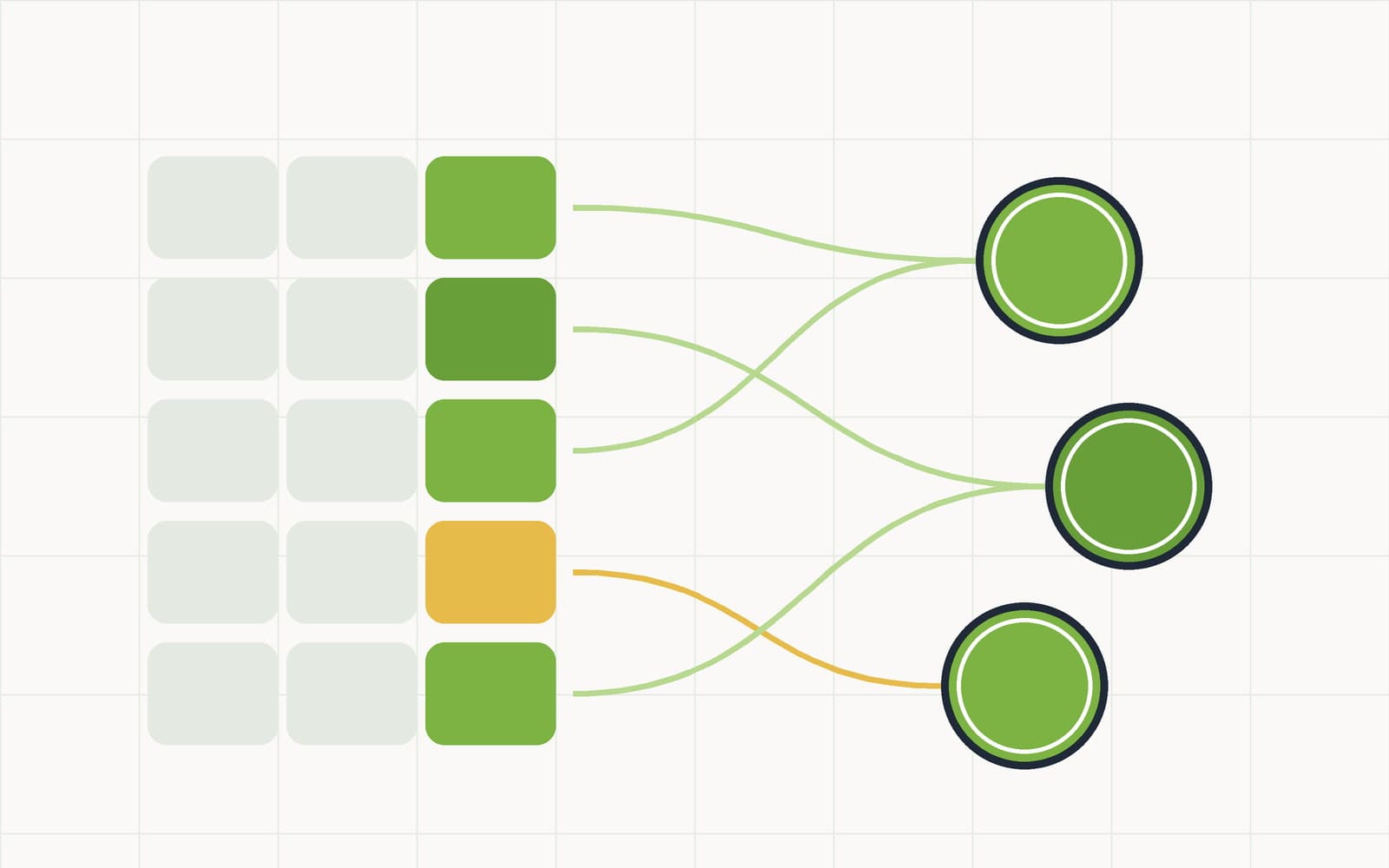
Every financial transaction affects at least two accounts. When you receive payment from a customer, your bank balance goes up (debit) and your accounts receivable goes down (credit). This isn't just bookkeeping tradition — it's an error-detection system built into the structure of your records.
Single-entry systems (spreadsheets, basic apps) can't tell you if something is wrong until you're staring at a number that doesn't add up. Double-entry catches imbalances the moment they happen.
How CashSheet handles it
You don't need to think in debits and credits. When you create an invoice, CashSheet posts the journal entry automatically — debit accounts receivable, credit sales revenue. When the customer pays, it reverses the receivable and debits your bank.
Every transaction, every module — invoices, bills, POS sales, inventory movements, production plan outputs — posts balanced journal entries behind the scenes. Your trial balance always ties.
When spreadsheets break down
Spreadsheets work until they don't. The breaking points are predictable: more than one person touching the books, more than one bank account, inventory that moves, or any scenario where you need an audit trail. If you've hit any of those, you've outgrown spreadsheets.
CashSheet gives you real accounting without asking you to become an accountant. The system does the double-entry; you do the business.