The 6 AM Walk-Around: What Plant Managers Look At First

The first ten minutes
If you've spent any time around a beef plant, you know the pattern. The plant manager shows up at 5:55. By 6:00 they're walking the floor with coffee, talking to the lead supervisor, scanning the wall of monitors in the control room. By 6:10 they know whether today is going to be a good day or a bad one.
What did they look at? Not everything. They looked at three or four numbers in a specific order, and that order is the difference between a manager who runs the plant and one who reacts to it.
The hierarchy of "what broke overnight"
The first check is yesterday's exceptions: anything that wasn't on plan. Did the second shift run short on 112A Ribeye? Did the grinder go down for 40 minutes? Did the freezer dock back up? These are the things that ripple into today.
The second check is today's order book. How many orders are confirmed for shipment? What's the mix? Anything new since last night that the LP hasn't seen?
The third check is raw material. What's hanging in the cooler? What grade? What's the average ribeye area? Is the cattle coming in today different from what we modeled in the yield matrix?
The fourth — and only fourth — is anything forward-looking. Tomorrow's plan, next week's forecast, the price file update from the corporate office.
Why this order matters
Plant managers don't have the luxury of optimizing for the long term until they've stabilized the short term. The 6 AM check is a triage operation. By the time the first cut is made at 7:00, the decisions about today's plan have to be locked. That doesn't leave room for "let me run another LP scenario."
What an Operations Control system gets right
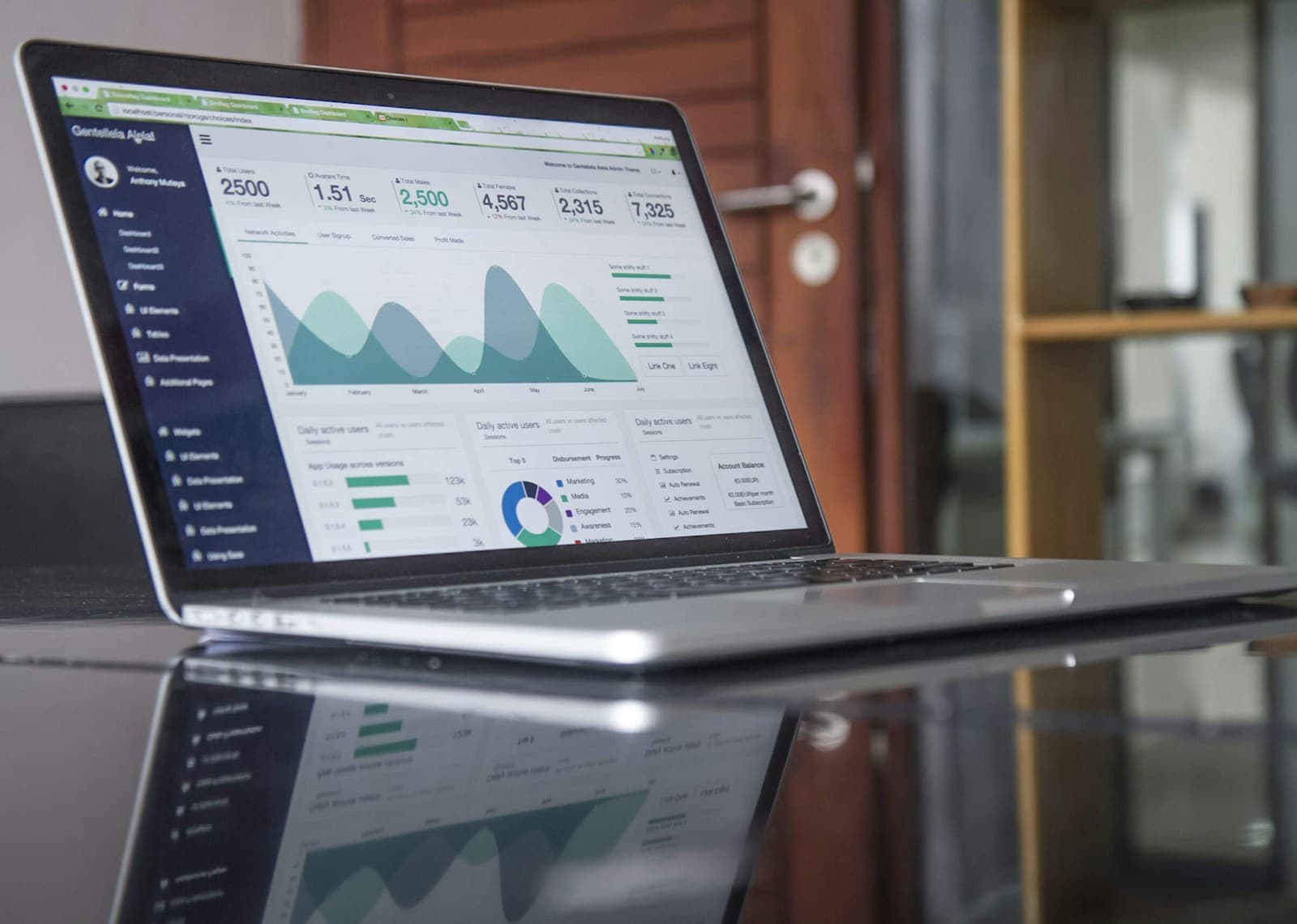
The dashboard a plant manager actually uses surfaces those four things in that order. Not on four different screens. Not in three different applications. In one screen, ordered the way the brain processes them. Yesterday's exceptions at the top. Today's commitments next. Raw material status third. Forward view fourth.
It also surfaces things by exception, not by completeness. Nobody wants to see "all 47 KPIs are within tolerance." They want to see "these 2 KPIs are out of tolerance." The rest is noise at 6:05 AM.
How CutSheet handles it
CutSheet's morning view collapses the overnight LP solve into a four-block read: variances from yesterday's plan, today's open commitments and Check Availability results, current cooler inventory by grade with average ribeye area, and the rolling 7-day margin trend. One screen, scannable in 90 seconds. The plant manager gets back to walking the floor — which is what 6 AM is actually for.